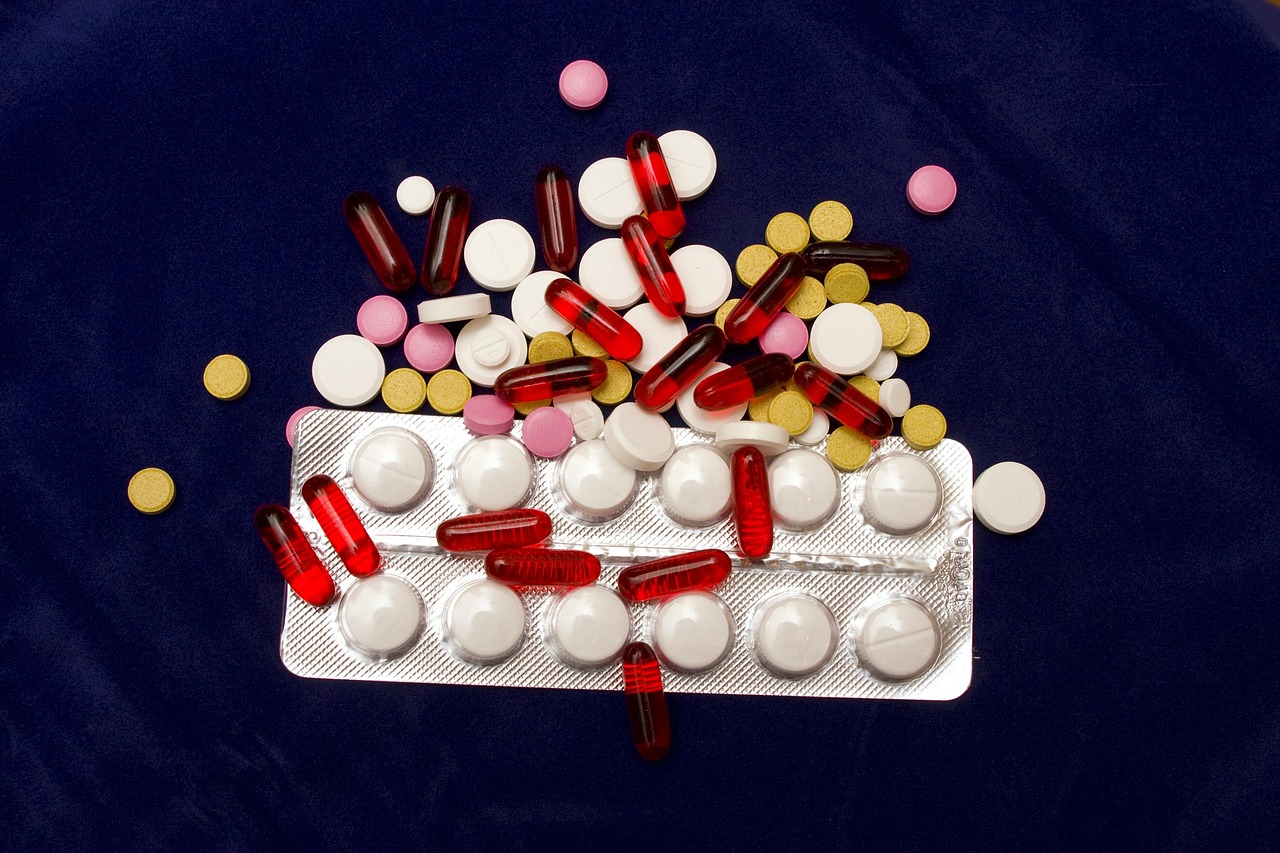
Drug interactions represent one of the central challenges in clinical pharmacology. When a patient takes two or more medications simultaneously, their combined effects may be amplified, diminished, or produce entirely unexpected outcomes that neither drug would cause on its own.
Three Types of Interaction
Synergism
The combined effect exceeds the sum of individual effects. Deliberately exploited in oncology and complex infectious disease regimens.
Additivity
The combined effect equals the sum of the parts. A neutral interaction with no amplification or reduction in therapeutic action.
Antagonism
One drug reduces or blocks another's effect. Can be therapeutically useful — or dangerously harmful — depending on context.
Mechanisms of Interaction
Drug interactions occur at three distinct levels. Pharmacokinetic interactions arise when one drug alters the absorption, metabolism, or excretion of another — most commonly via the liver's cytochrome P450 enzyme system. Pharmacodynamic interactions involve competition for the same receptors or summation of effects. Physicochemical interactions occur before drugs even reach the bloodstream, when chemical reactions take place in combined solutions.
Clinically Significant Examples
- Warfarin + aspirin — dramatically increased risk of bleeding
- Statins + macrolide antibiotics — elevated risk of myopathy
- SSRIs + triptans — serotonin syndrome
- Antacids + tetracyclines — significantly reduced antibiotic absorption
⚠️ Elderly patients taking five or more medications simultaneously (polypharmacy) face the greatest risk. According to WHO data, more than 50% of serious adverse drug reactions are directly linked to drug-drug interactions.
Prevention Strategies
Key preventive measures include maintaining a comprehensive and up-to-date medication list for every patient, using interaction databases at the point of prescribing, and consulting a clinical pharmacologist for complex therapeutic regimens. It is equally important to educate patients to always disclose dietary supplements, herbal preparations, and over-the-counter medications — all of which can participate in clinically significant interactions.
To treat a patient well is to understand not only each drug in isolation, but what happens when they encounter one another inside a single human body.