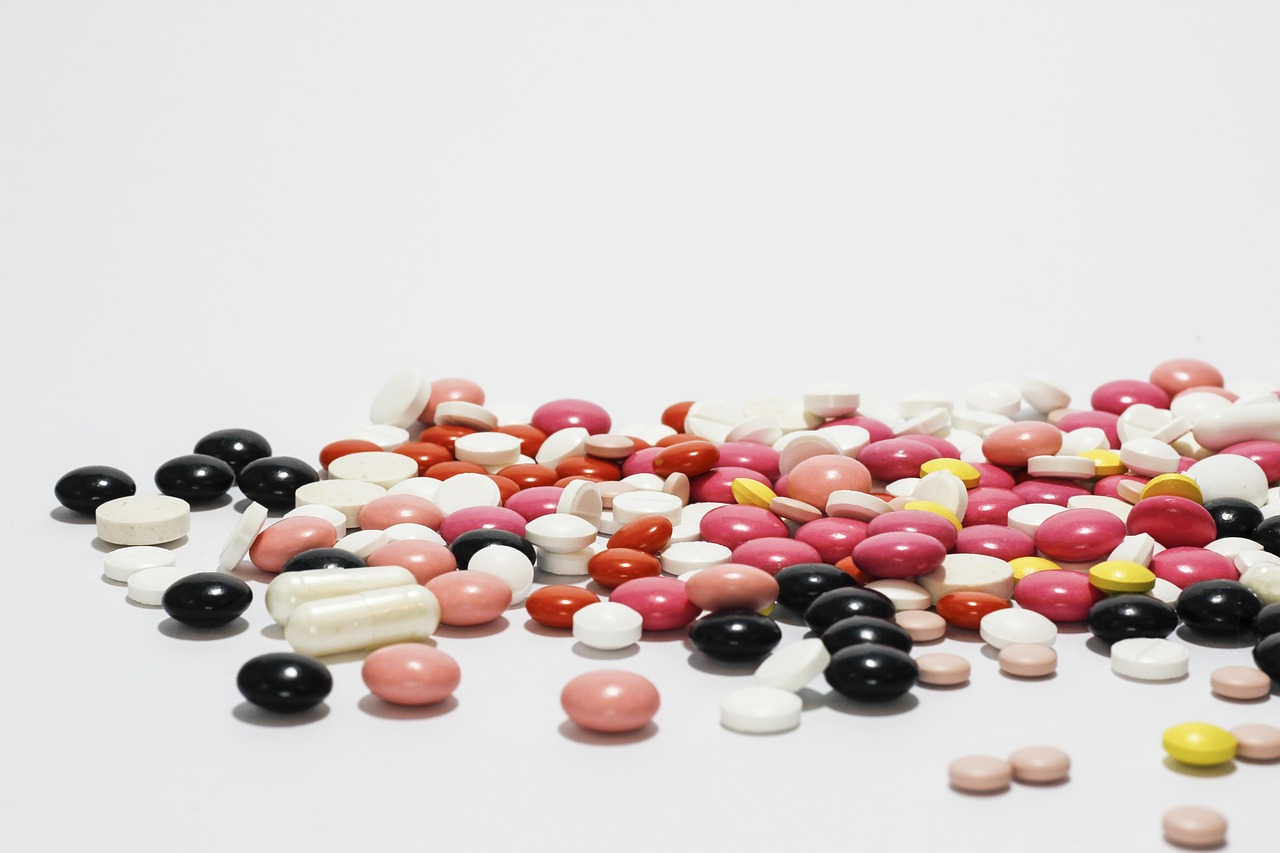
Pharmacology is the science of how chemical substances interact with living organisms. It investigates drug mechanisms, biological effects, distribution within the body, and the pathways by which substances are ultimately eliminated.
Two Pillars of Pharmacology
Pharmacodynamics
Studies what the drug does to the body: mechanisms of action, receptor binding, therapeutic effects, and adverse reactions.
Pharmacokinetics
Studies what the body does to the drug: absorption, distribution, metabolism, and excretion — known as the ADME model.
Receptors and Targets
Most drugs exert their effects by binding to specific receptors — protein molecules located on cell surfaces or within cells. A substance that activates a receptor is an agonist; one that blocks it is an antagonist. The selectivity of drug-receptor binding determines the therapeutic index: the ratio between an effective dose and a toxic one.
The Dose-Response Relationship
A fundamental principle of pharmacology is the dose-response relationship. Too small a dose yields no effect; too large causes toxicity. The optimal dose maximises benefit while minimising risk. This principle underpins the individualisation of therapy — tailoring treatment to each patient's unique physiological profile — which is the cornerstone of modern, precision pharmacology.
All things are poison and nothing is without poison — the dose alone makes a thing not a poison.
— Paracelsus